An independent publishing house and bookshop in Pittenweem, formerly of Edinburgh’s Old Town
Featured Publications
Thirsty News

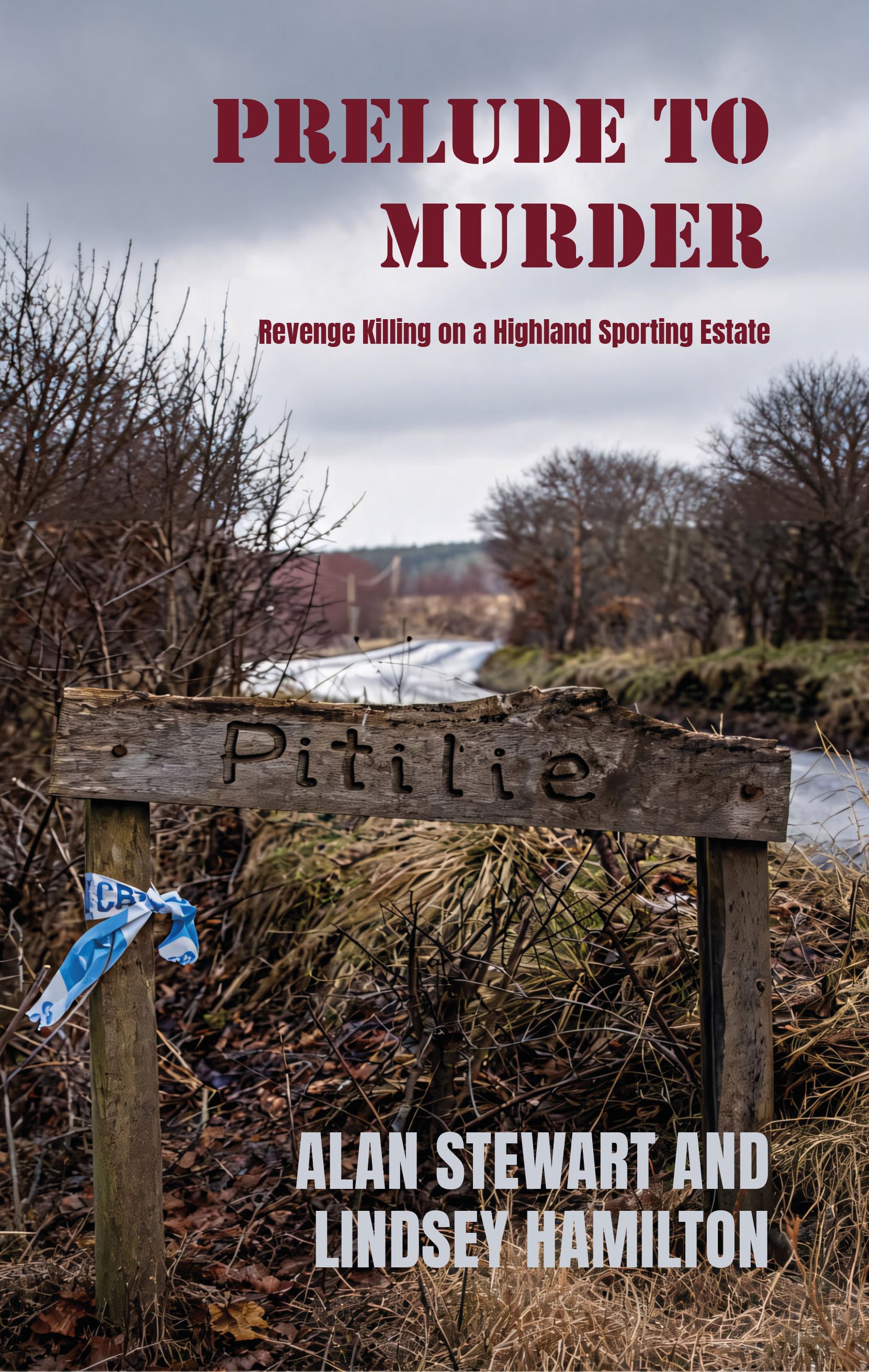
Chilling, meticulous and unforgettable. - Dr Ruth Tingay, Raptor Persecution UK
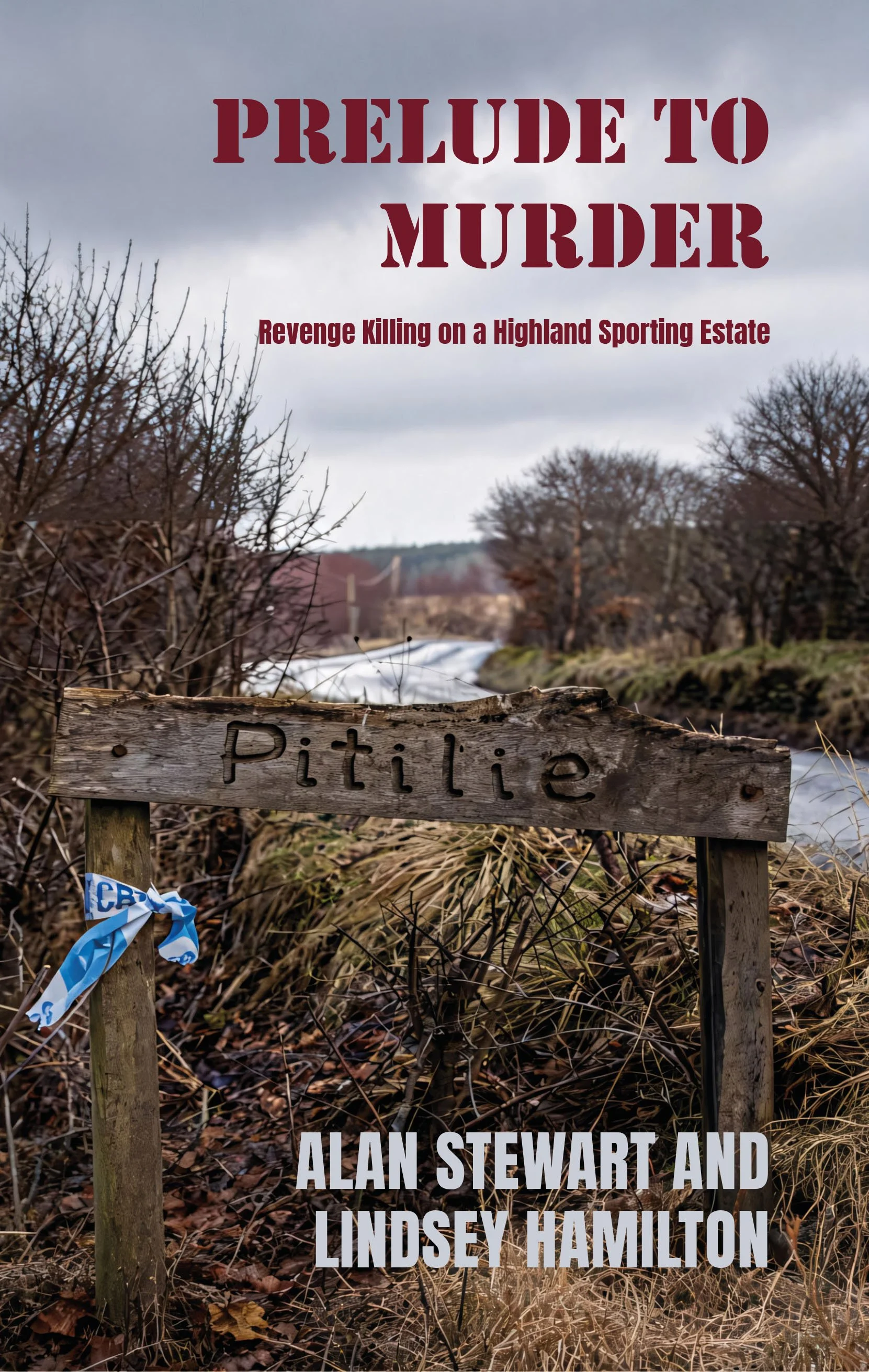
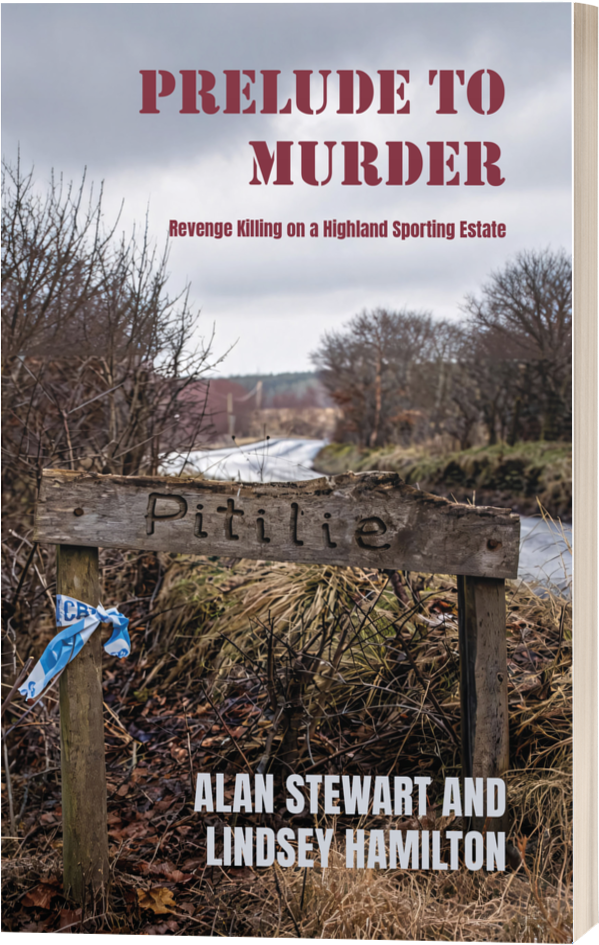
The head gamekeeper of a Highland Perthshire shooting estate became the prime suspect when one of his former work colleagues, Brian Low, was found murdered on a lonely hill track near Aberfeldy on 17th February 2024.
Over four decades, the gamekeeper, David Campbell was well known for his cruelty to animals, wild and domestic. He was at the centre of numerous police investigations over the years into the illegal poisoning of birds of prey none of which ended in conviction. Did this convince him that he was untouchable?
The murder investigation gets off to a bad start when the police and ambulance crew attending dismiss the death as medical-related and valuable time and evidence is lost. But the ineptitude is short-lived and a team of Police Scotland detectives begin to build a case using solely circumstantial evidence, an extremely difficult task. It was by no means clear that the jury at Glasgow High Court would consider the evidence sufficient to convict.
An utterly compelling read.
- Ian Thomson, RSPB Investigations Manager
A real triumph.
- Iain Macleod QPM, Dep Chief Constable (Rtd)
The truth behind a tragedy.
- Susan Nicholson STV News
I was gripped by this case from beginning to end.
- Dee Ward, Rottal Estate, Glen Clova
Alan Stewart is the author of ten books on wildlife and wildlife crime. He spent 50 years as a police officer and police wildlife crime officer with Tayside Police, then intelligence officer with the UK National Wildlife Crime Unit.
Lindsey Hamilton is the chief reporter of the Courier covering live and breaking news, including incidents such as murders which led to her involvement with the Aberfeldy murder.
ALSO AVAILABLE ON KINDLE
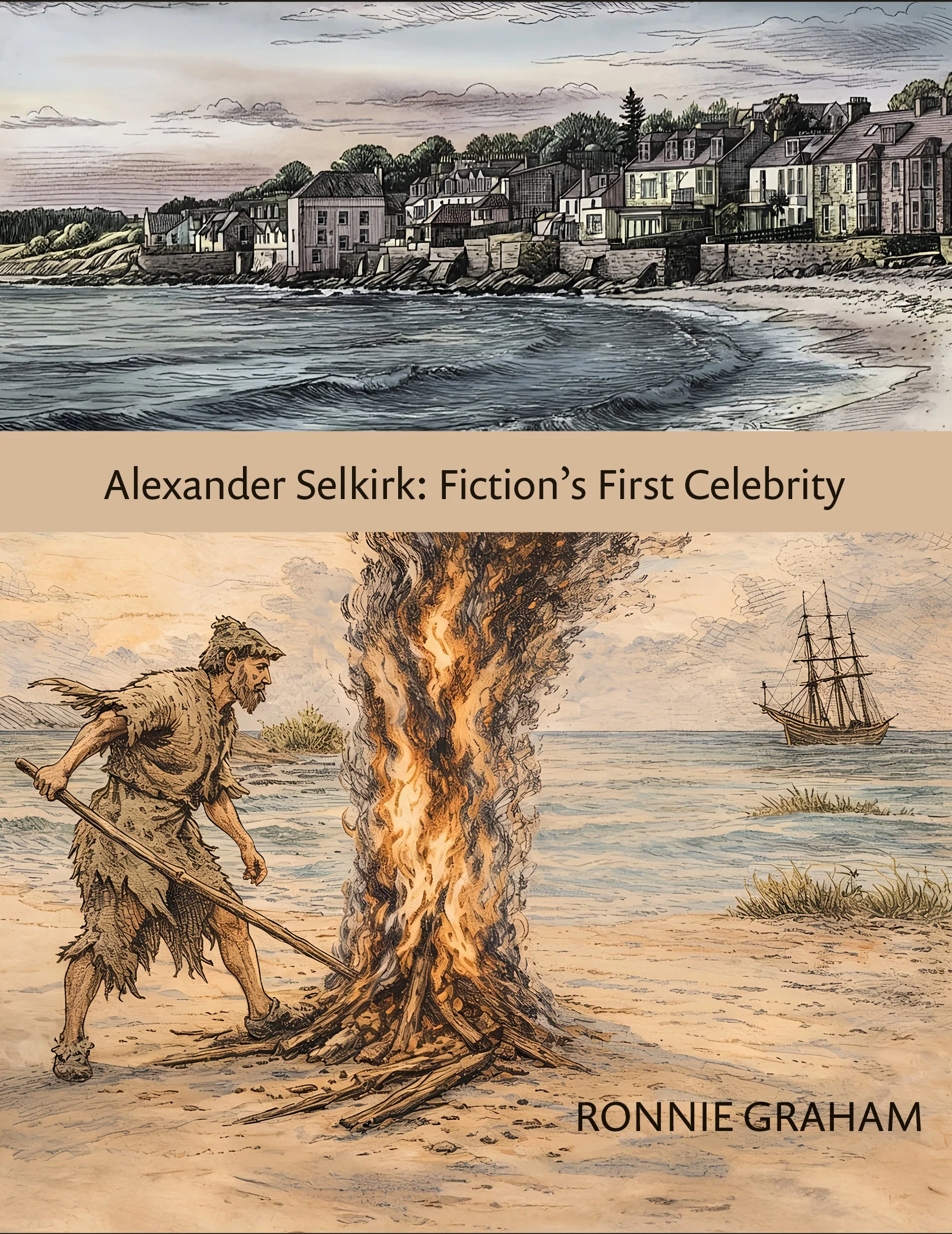
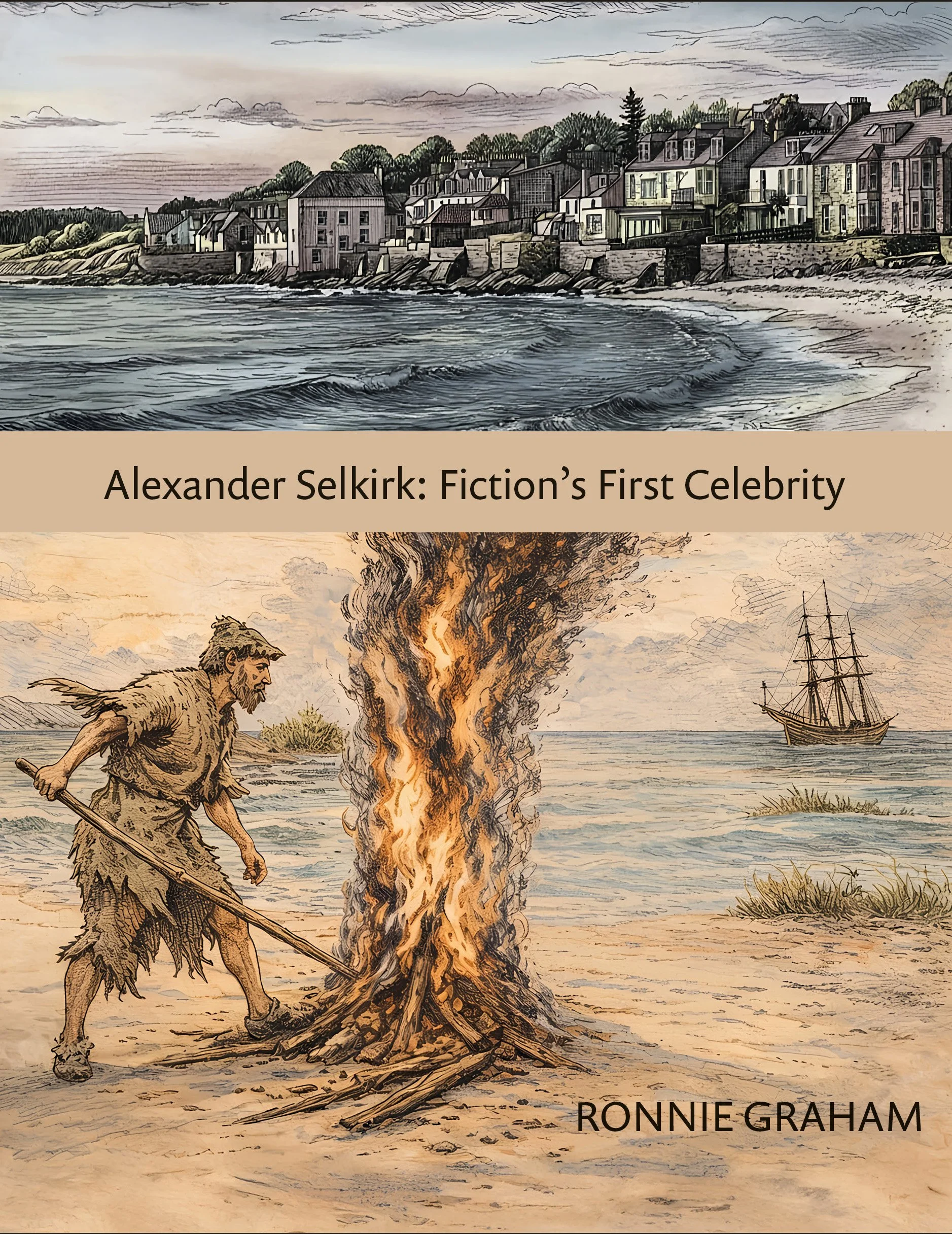
Alexander Selkirk, arguably the most famous castaway in history, was born in Lower Largo, Fife, 350 years ago this year.
Much has been written about his life but there is no unanimous agreement about the details of the story, given the dearth of written evidence. On the other hand, the fictional Robinson Crusoe, drawing heavily on the story of Selkirk’s four-and-a-half years on a Pacific island, is so well known that the real Alexander Selkirk is hard to find.
Using the available evidence, Ronnie Graham brings the story of Alexander Selkirk to life in an attempt to decide what kind of man he was – hero, anti-hero or ‘skellum’.
‘He diverted and provided for himself as well as he could; but for the first eight months had much ado to bear up against Melancholy, and the Terror of being left alone in such a desolate place.’
—from Woodes Rogers, A Cruising Voyage Round the World (1712)
THE AUTHOR
Ronnie Graham is a Scottish historian and the author of five books on various aspects of African history and popular culture, most notably a two-volume guide to contemporary African music: ‘Indispensable’ (New Society), ‘The essential work on the subject’ (Village Voice). His most recent book is Zanzibar:A People’s History.
Ronnie has contributed to many academic papers on the subject of eye health in Africa. In 2017 he returned to Largo, where he grew up, and now lives 100 yards from the Alexander Selkirk statue.
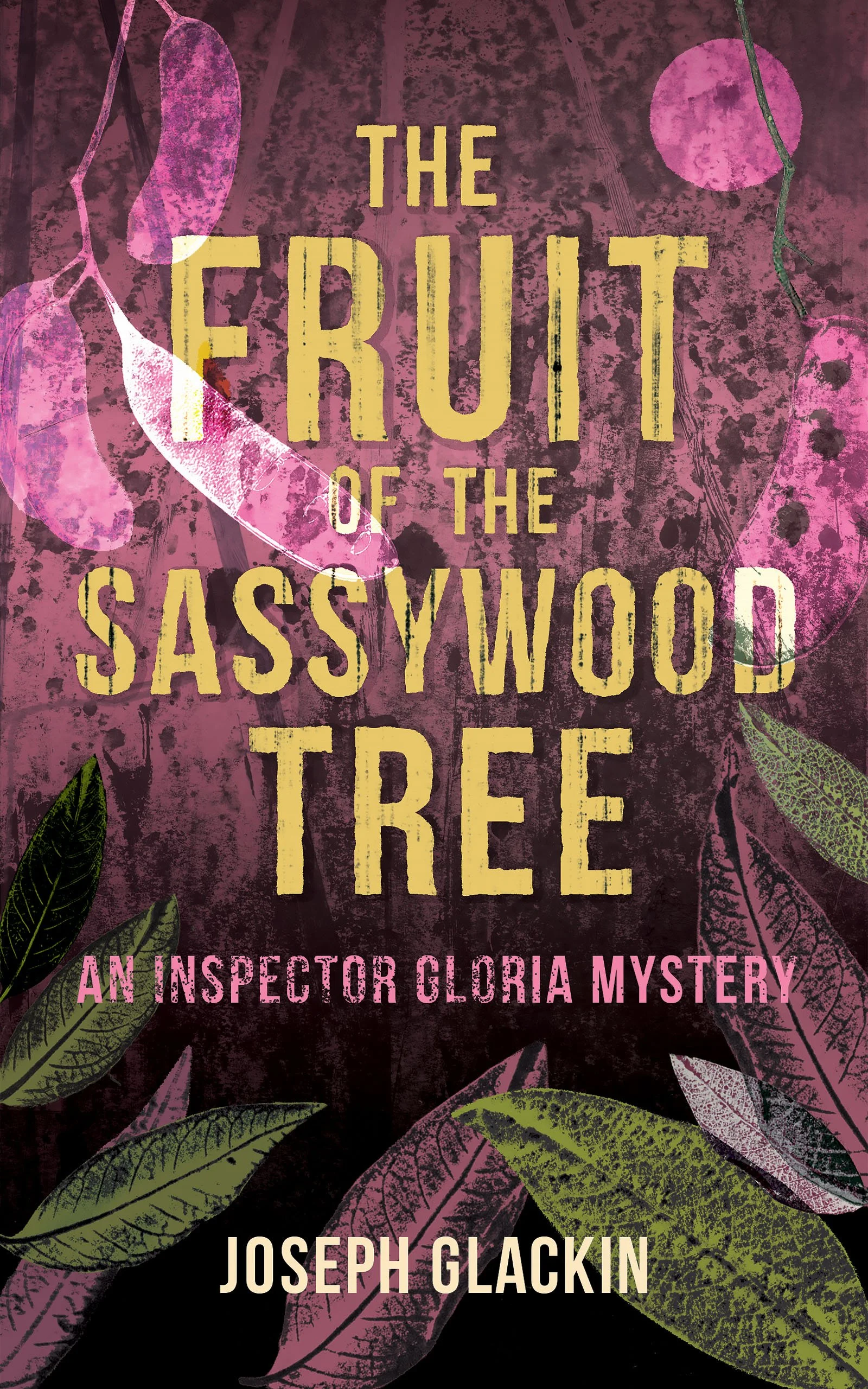
‘The perfectly named Inspector Gloria – for she is glorious indeed – is up
against it in her fourth outing, The Fruit of the Sassywood Tree, chasing down a
child-killer, in an Ebola outbreak, with a tightening curfew and the threat of
total lockdown at her heels. The chaos and corruption in the city and the grit
and goodness of Gloria and her team make for a pacy and satisfying thrill of
a read. I loved it.
- - Catriona McPherson, multi-award-winning author of The Dead Room
‘Gloria found herself face to face with the victim and had one of
those moments of revulsion and anger that aff ected them all when
they looked murder straight in the face. The bulging eyes seemed
to look at her reproachfully, as if asking on behalf of Liberia’s
children, Why? Why were children still so often the victims and the
scapegoats for the anger and resentment and jealousy that seemed
to bubble so ferociously under the thin veneer of everyday life?’
Liberia had been enjoying a time of peace but that looks like it’s
running out. Rumours of an Ebola pandemic are swirling around the
capital, people are beginning to panic and children are once again
being targeted and killed. Inspector Gloria and her team are stretched to the limit as
they race to stop the killings as long-buried secrets from the civil war begin to
surface.
Praise for the first Inspector Gloria mystery, A Lone Star Weeps:
A dark and compelling crime mystery with a brilliantly fresh main character…
a wonderfully tense and suspenseful read.
—-Diane Setterfi eld, author of The Thirteenth Tale and Bellman and Black
THE AUTHOR
Joseph Glackin, a native of North Lanarkshire, is the author of the
Inspector Gloria mysteries. Gloria and the stories are inspired by
Joseph’s twelve years of living and working in Liberia before during
and after the civil war. As well as crime and confusion, his books portray
the warmth, humour and resilience for which Liberians are justly famous.
Joseph has also worked in South Sudan, South Africa, Rwanda, Romania,
Sierra Leone and Bulgaria – places Inspector Gloria may well have cause
to visit at some point in the future.
EDINBURGH BOOK LAUNCH
‘The authors challenge the commonly-held assumption that Geddes had little impact in his native land. Rather they promote the alternative view that… ‘conservative surgery’ has played a determining role in guiding the predominant pattern of urban renewal. As such, the book relates a story that has not previously been told. Beautifully and comprehensively illustrated, it is a worthy complement to that earlier classic, The Making of Classical Edinburgh.’
- Dennis Rodwell, Context Magazine
Edinburgh’s Old Town and its built heritage point up the potential conflict that exists everywhere between the grand schemes of commercial developers and the desire to preserve the character of our towns and cities and support existing communities.
Renewing Old Edinburgh is an account of the history of area renewal in Edinburgh’s Old Town from 1860 to the present. Using their own original research including photographic evidence, the authors explain that the historical experience has in many respects been a protracted struggle between two conflicting approaches to area-based regeneration. One way favours large-scale demolition and comprehensive redevelopment of sizeable cleared sites; the other promotes a more incremental style of renewal which the Scots polymath Patrick Geddes described as ‘conservative surgery’. Geddes’ own contributions in the 1880s and 1890s – and those of the City architects who came after him – are assessed for their continuing relevance.
This new edition takes the story of the Old Town forward to the end of the first quarter of the 21st century. That story is part of a wider narrative of how Edinburgh responded to the international financial crisis and the austerity that followed. In an Afterword to the original text, Cliff Hague reveals the irony: the very success of decades of advocacy and local action to save the Old Town made its latent value ripe for exploitation.
THE AUTHORS
Jim Johnson (1933–2025) was a qualified architect with extensive experience in architectural education and urban regeneration practice. He was formerly the Director of the Old Town Committee for Conservation and Renewal, which was subsumed in 1999 under the umbrella of Edinburgh World Heritage. Previously, he was a member of the teaching staff in the Department of Architecture at the University of Strathclyde and was involved in the rehabilitation of Glasgow tenements. Lou Rosenburg is trained in economics and town planning and has a long-standing interest in the historical development of housing policy. He is currently a Senior Research Fellow attached to the Scottish Centre for Conservation Studies at Edinburgh College of Art. Before this, he was a member of the teaching staff in the School of Planning and Housing, which is now based at Heriot-Watt University.
AFTERWORD AUTHOR Cliff Hague OBE is Emeritus Professor of Planning and Spatial Development at Heriot-Watt University and is a Fellow of the Academy of Social Sciences. He is a Past President of the Royal Town Planning Institute and of the Commonwealth Institute of Planners. He was Chair of the Cockburn Association 2016-2023